Tread depth isn’t the whole story. We’ve inspected plenty of RV tires that look showroom-fresh and are still one hot highway away from a blowout. Here’s what we actually check before we’ll tow your rig — and what you should be checking between trips.
The Quick Version
- Tread depth: 2/32" minimum
- Even wear across the tread, no cupping or feathering
- No cuts, cracks, bulges, or missing chunks
- DOT date code under 6 years old
- Spare included — same standards apply
1. Tread Depth — 2/32" Minimum
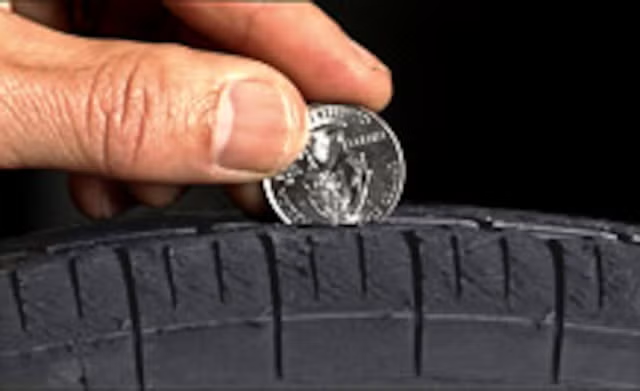
Run a quarter into the groove, upside down, so Washington’s head points in. If you can see the top of his head, you’re at or below 2/32" — replace the tire. This is the legal minimum for a reason, not a suggestion.
2. Even Wear
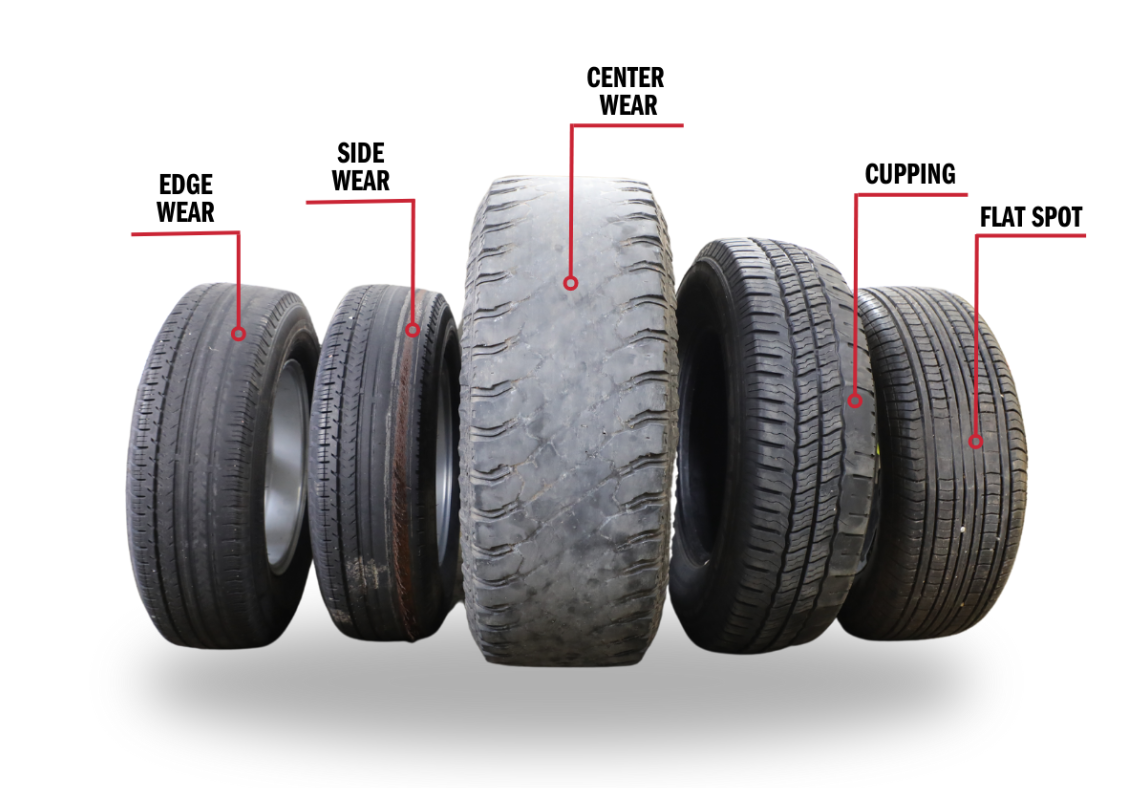
Tread wearing unevenly — cupped, feathered, or heavier on one edge — points to alignment, suspension, or inflation problems. Even if depth is fine, uneven wear means the tire isn’t contacting the road the way it was designed to, and it’s a sign something upstream needs attention.
3. No Cuts, Cracks, Bulges, or Missing Chunks
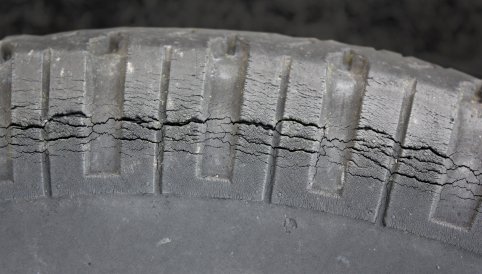
Sidewall cracking (dry rot) is often worse than it looks and doesn’t show up as tread loss at all.
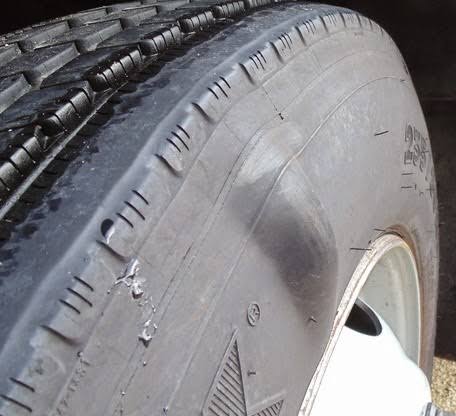
Any bulge means the internal structure is compromised — that tire can fail without warning, at speed, with no notice. Missing rubber chunks mean the tire gets replaced, no exceptions.
4. Tire Age — Under 6 Years, Regardless of Tread
This is the one owners push back on the most. Every tire has a DOT date code — a 4-digit number, usually the last group in a string stamped near the rim, formatted as WWYY (week, year). A tire stamped 2922 was made the 29th week of 2022.
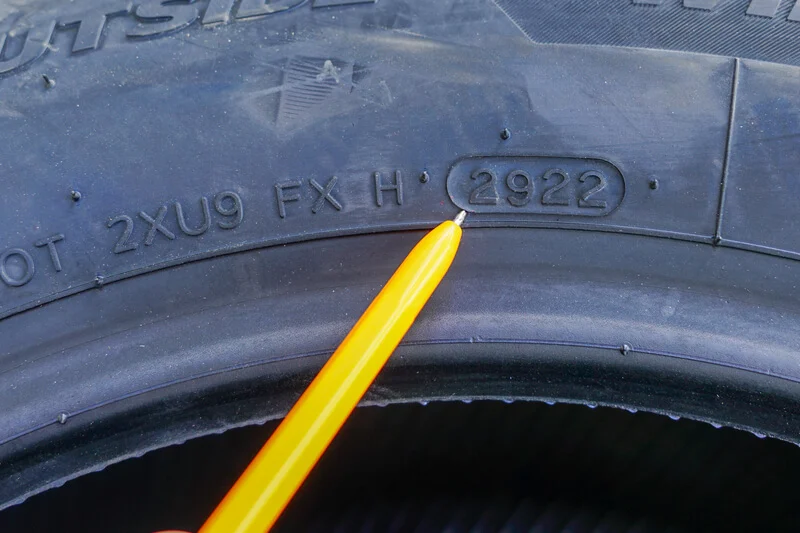
UV breaks down the rubber it actually touches — that’s the surface cracking you can see on the sidewall. What you can’t see is oxidation: heat and oxygen working their way through the rubber from the inside, hardening it and breaking down the belts and structure, whether the tire has 500 miles on it or 50,000. A trailer tire that’s spent nine years sitting in a driveway, looking practically new, can still fail from age alone.
Six years is the standard we hold to, and it’s not just us — Ford, Nissan, and Mercedes-Benz all put a 6-year replacement recommendation in their owner’s manuals regardless of tread. Michelin and Continental set the hard outer limit at 10 years but recommend professional inspection starting at year 5. NHTSA doesn’t mandate a number but publishes the same 6-to-10-year range as general guidance. We land on 6 for trailer tires specifically — they run hotter, sit outside more, and get less attention than a car’s tires — so we’re not willing to gamble your RV, our safety, and the safety of everyone else on the road on the more permissive end of that range.
5. Check the Spare
The spare is the tire nobody looks at until they need it — which means it’s usually also the oldest tire on the rig, cooking in a compartment in the heat with the others none the wiser. If your spare is undersized, deflated, or past the same 6-year mark, it’s not a spare. It’s dead weight.
Bottom Line
We check all five of these before every tow. If your tires don’t pass, we’ll tell you before we hook up — not after something goes wrong on the highway at 65 mph. Trailer tires are built lighter than passenger tires, rated for that 65 mph max, and fail faster; age matters more than mileage.
Not Sure If Yours Will Pass?
Text a photo of your tire’s DOT code to (512) 593-1673 before we schedule your move, and we’ll tell you straight whether it’ll clear inspection. Or get a transport quote — we inspect all five points at pickup, no charge, no surprises.
Get a Transport Quote